Apparently prime movers typically last about twenty years but have their drivetrain completely replaced mid-life. That sounds like a perfect time to replace it with electric and that is what an Australian company is trying to do. Janus Electric
3 Likes
2 Likes
that’s good to hear and should be more widespread. it will be a lot easier than switching to a new truck, I think. And that’s also what their website seems to be promoting. Quoting “Convert Your Fleet” subpage:
“Why Convert Instead of Replace?
Buying a brand new electric truck requires significant capital and charging infrastructure upgrades. Rebuilding diesel locks you into fuel volatility, emissions exposure, and ongoing maintenance cost.
Janus offers a practical alternative.
Convert your existing asset at rebuild time and retain your truck, drivers, and routes while upgrading the drivetrain.”
I know that there are companies that do these types of things to buses as well. If this becomes successful they could pivot to there as well.
2 Likes
John Wagner unveils $2.5bn plan to turn household waste into jet fuel, renewable diesel
One of Queensland’s most powerful businessmen has unveiled a plan for a new $2.5bn refinery on the Darling Downs, which could use household waste to produce more than 100m litres of sustainable aviation fuel (SAF) every year.
Toowoomba’s John Wagner says he is in talks with the state government to build Australia’s first full-scale SAF facility in its industrial park at Wellcamp.
^^This is more like it, I reckon it’s better than digging for oil. More sustainable overall.
4 Likes
i agree. i think biodiesel as a stopgap or middle ground solution is being overlooked. i hope australia sets a precedent in other countries.
2 Likes
We need to do everything. We need to speed up development of renewable technologies and also drill baby drill
In a climate crisis this would be absolute madness.
3 Likes
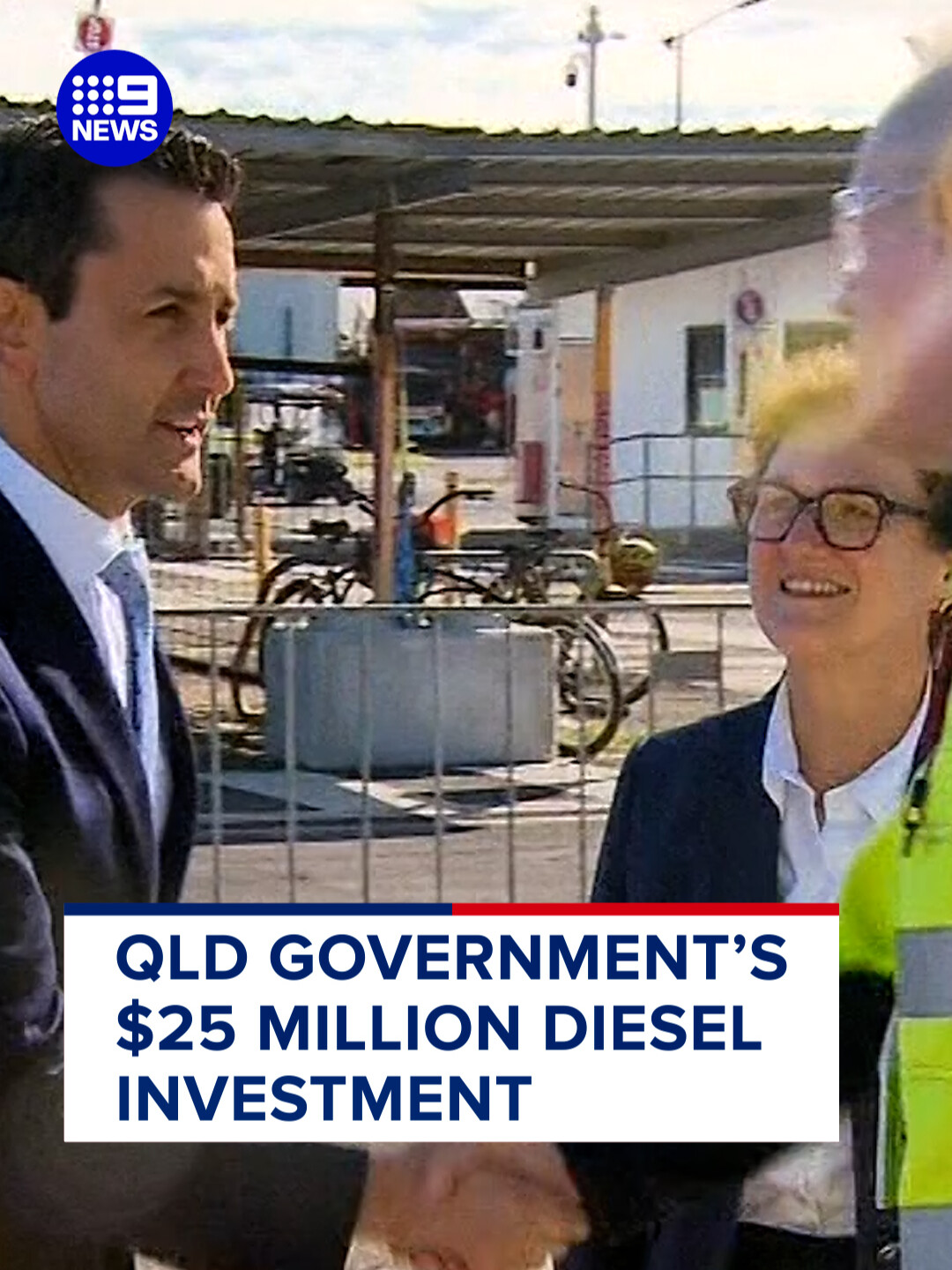
^^Renewable diesel investment at the Lytton refinery.
1 Like
Brisbane diesel refinery receives $25 million boost from LNP
The Crisafulli government has doubled down on its bid to unlock fossil fuel supplies in Queensland, announcing a $25 million investment to aid the development of renewable diesel at a refinery near the Port of Brisbane.
The funding partnership between the state government and Ampol’s Lytton refinery is the first program to be approved under the LNP’s Sovereign Industry Development Fund, designed to boost the development of key industries including defence, biomedicine and biofuels.
1 Like
Strangely worded. If they really are developing biodiesel then that is not “unlocking fossil fuel supplies” but rather trying to replace them.
3 Likes
Media are reporting today, stating that the Qld LNP Government is gifting / handing over land to oil companies to store oil. Oil companies are quite wealthy and if it was viable to store oil they would have already done so. (Courier Mail, 2026; Brisbane Times, 2026).
Wouldn’t it be better to hand over land at those coastal ports for wind generation as these parcels of land are the windiest parts of Australia. This would help contribute electricity to areas close by as well as contribute to the evolving electric transport sector and digital futures such as data centres.
3 Likes
On a another development Volvo have released new electric trucks with up to 400km range.
Things are looker more viable to electrify the ground transport area of freight.
Source: Big Rigs
Volvo launches new generation heavy-duty electric trucks, with range of up to 400 kilometres
I wonder how many wind turbines you could fit on those parcels though? Wind farms are very spread out, oil facilities tend to be very compact.
Agree with the premise though; wind near the ports sounds like a good colocation opportunity.
2 Likes
That’s a fair point but I wasn’t envisioning a large scale onshore wind farm but just 10 turbines or more where they could logistically fit. Also considering the past land uses in those areas, onshore wind farms wouldn’t need the land to be decontaminated like you would for other uses. Not saying they would need to decontaminate the land for oil storages though.
In the scheme of things the Qld Government needs to consider the future not just the media headlines now. Electrification will be the key to economic success not storing oil at ports and subsidising those oil storages.
At the end of the day, we need additional electric generation and recharging capabilities for our trucks buses and cars This would transition us into having a robust and resilient transport sector.
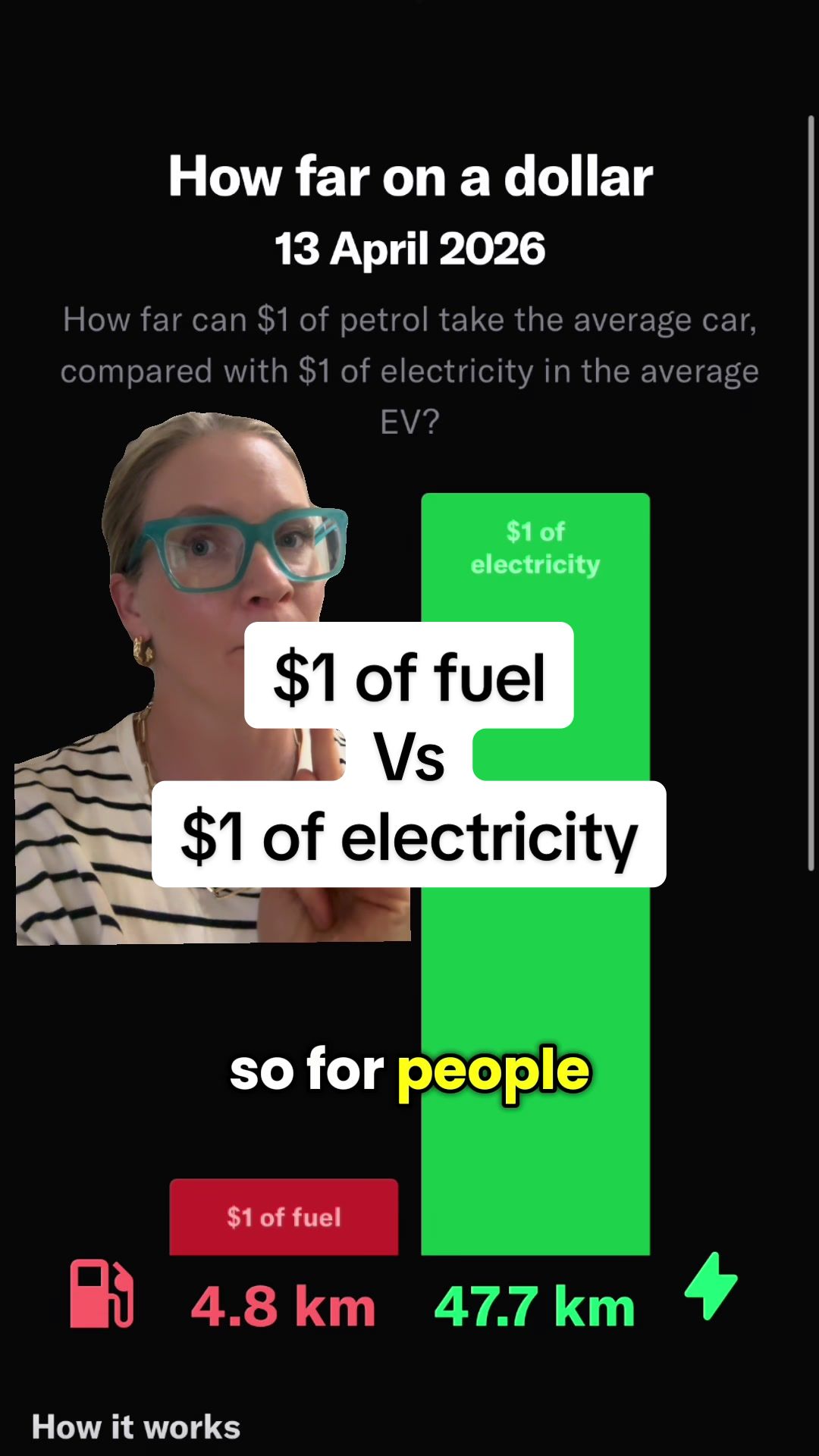
Looking back on this months later, I’m feeling a tad depressed that (electric) private cars have hovered up the benefits of this crisis while public transport services in Brisbane are actually worse than in February after months of “temporary” service cuts thanks to the government’s intransigence on industrial issues.
Meanwhile, EV sales have just cracked parity with ICE. That’s marginally better for the climate, but so far it’s a giant missed opportunity for making a better city and giving people freedom with better PT.
Bicycle Queensland eventually jumped on the “bus and bike lanes to solve the fuel crisis” idea, but on the whole I’ve gotta say our team in the War On Cars is losing badly!
7 Likes
According to all reports our wonderful state government has actually decided to double down on diesel for public buses. In 2026. Madness.
4 Likes
Disgraceful.
The idiots in Cabinet have probably left it too late as well since every other jurisdiction with any appreciable number of buses / renewal effort going on already has procurement underway, so we are probably now going to be price takers. I’m talking about nearly all of Australia and NZ at this point except for some of the smaller jurisdictions - in Australia that is basically only Tasmania and the NT.
The State should have been using its purchasing power to sign up a massive order of vehicles over the coming decade, but no. Just keep these little cottage orders going whenever a bus is life expired, and let the operator get whatever they want. Just nonsense.
2 Likes