Instead of high speed rail they should jump the gun and go straight to maglev. They are the future and given how far apart our major cities are, they are quicker.
But before we get there, maybe focus on fixing local transport first so it can accommodate all the extra flow from the HSR. It’s great if you have a very fast train but you also need to get people to that very fast train.
Not a fan of hsr at syd central due to it skyrocket the costs…. Sydney only need to use parramatta as hsr hub
Plus most hsr stations ard the world often on the metro outskirts
Remember that max speed is only one part of the equation. The average speed of the journey is what matters. Maglev trains need even straighter lines to reach full speed. For to cost difference to make sense, you need a really perfect route for the entire length of the project. That’s simply not the case here.
Interesting that Canada’s HSR project is emphasising the need to have stations in CBDs, and feels the cost is justified. The Montreal station for instance, is expected to require a 10-15km tunnel!
I had a good read of the 300 pages (or at least the parts that piqued my interest the most) and apart from the timelines, the project looks solid all the way to the location of the future stations.
I do wonder if the Newcastle HSR station at Broadmeadow will end up forcing TfNSW to convert the final stretch of tracks of the CCN to light rail, making Broadmeadow the actual Newcastle Interchange.
And in Japan it tends to be the smaller cities that end up with the Shinkansen station on the outskirts of town rather than the major cities, mostly to maintain the alignment for speed (as these smaller cities are not served by a good number of trains). Tokyo (+Shinagawa), Nagoya, Kyoto, Shin-Osaka (one stop north of the central station), and Hakata/Fukuoka are city-center (or very close for Osaka) stations. Shin-Yokohama might be a notable exception amongst the big city stations, but it’s still in a very built-up area and hardly city-outskirts (but I acknowledge it was less-so when first opened in the 60s).
Even the new maglev/Chuo Shinkansen will commence/terminate at Shinagawa, which whilst it isn’t Tokyo Station, is still on the Yamanote Line and very centrally located to central Tokyo.
Did you guys notice the proposed timeline for completion? Stage 1 to Broadmeadows from Western Sydney Airport is proposed to be finished by 2057. I guess this could be brought forward with advancements in manufacturing and rail construction but I am not holding my breath.
Running to WSI is the most profoundly silly part of this. It introduces a permanent and unnecessary dog leg.
My bad misread the 3 as a 5.
High-speed rail from Sydney to Newcastle
Evaluation report released by Infrastructure Australia
Stage 1A: Newcastle to Central Coast, by 2037
Stage 1B: Central Coast to Sydney Central, by 2039
Stage 1C: Western Sydney International Airport, by 2042
Potential expansions
(Brisbane Times, 2026).
^^Could have been to Brisbane or Melbourne by 2057 though. 
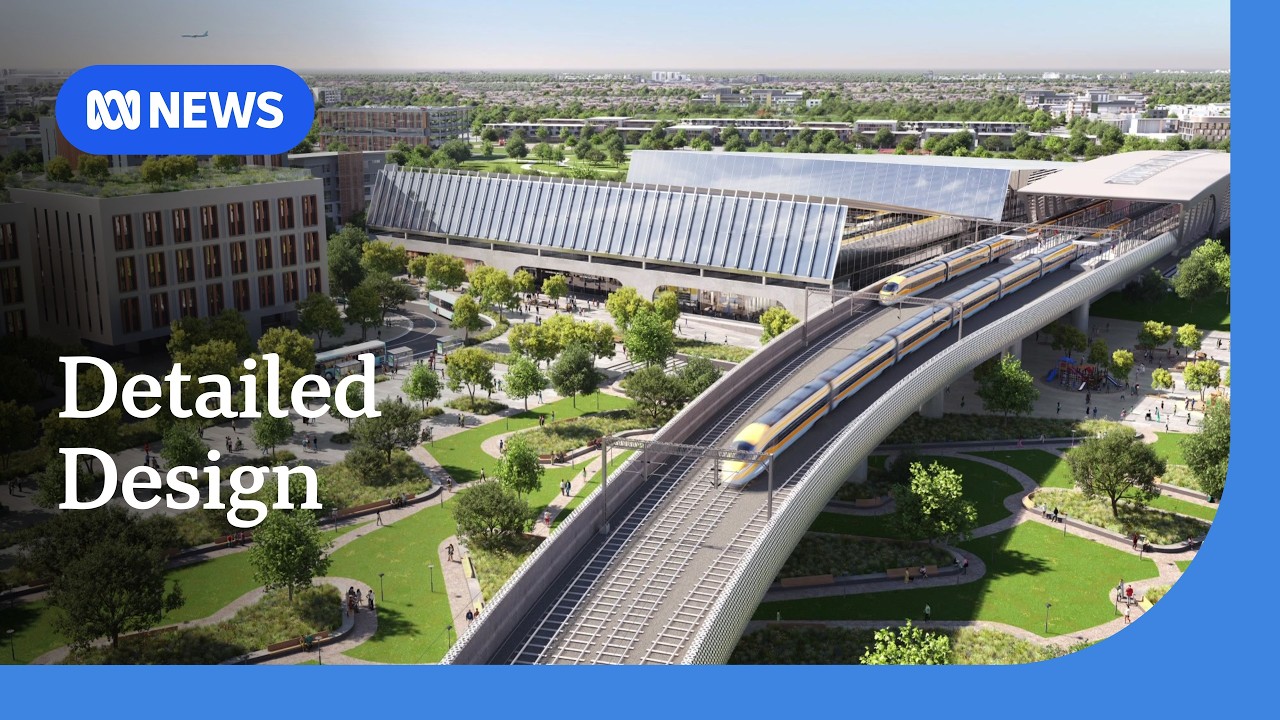

Here we go again.
Imagine if just a fraction of this was spent on housing and transport within the existing urban footprint?
Also, the link SYD-CBR-MEL would seem higher priority than SYD-NTL-BNE, so logically building a section between Sydney and Melbourne should go first.
Assuming that construction projects are sequential, an opening date of ~ 2040 implies delivery of the MEL-SYD part as later than that.
Sending the train via Parramatta makes sense if the metro train between the Sydney CBD and the Parramatta CBD is completed.
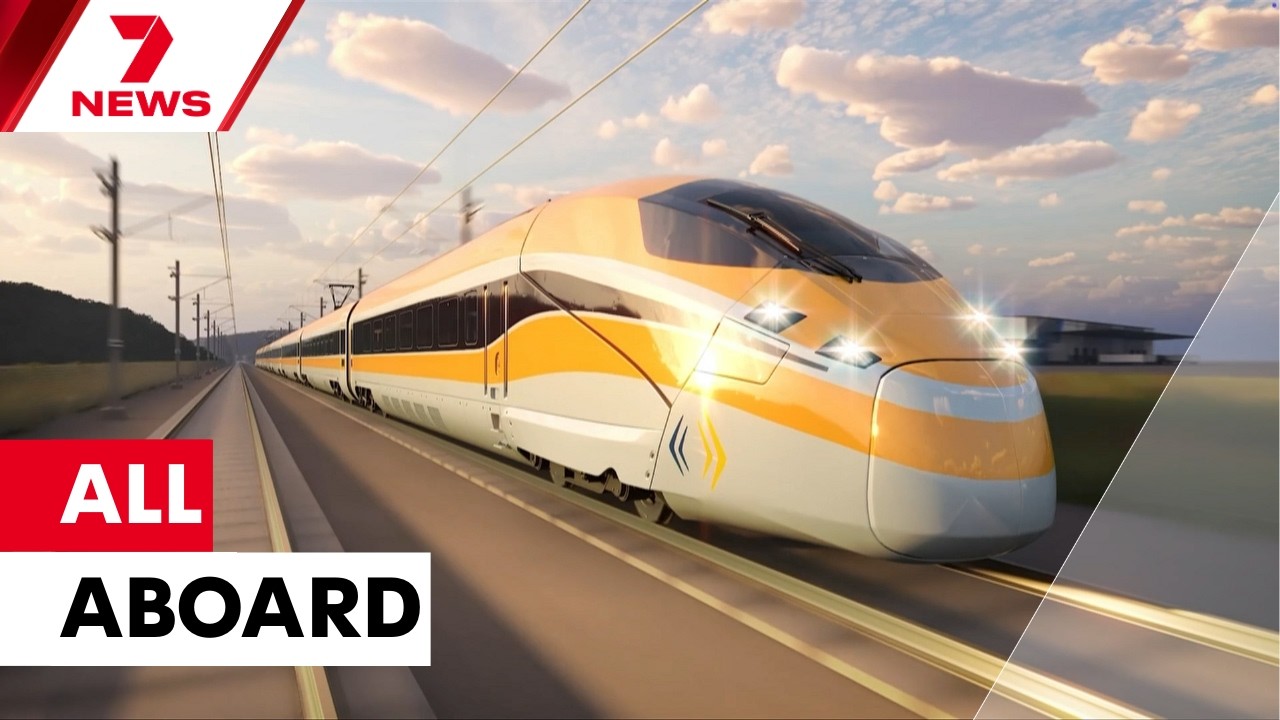
No matter how you frame it, the argument you’ve been trying to push before about improving the current intercity alignments is simply infeasible due to the age and geometry of the lines.
At most you would be able to get small sections of 200km/h on the line between Sydney and Melbourne but that’s about it. Sydney and Newcastle? Don’t even get me started on that one.
Obviously something well into the future but thought it was notable how linking the capitals is last step of the plan - found this page interesting - at least makes the lack of curve easing on LGCFR less painful knowing something faster may eventually come in the distant future…
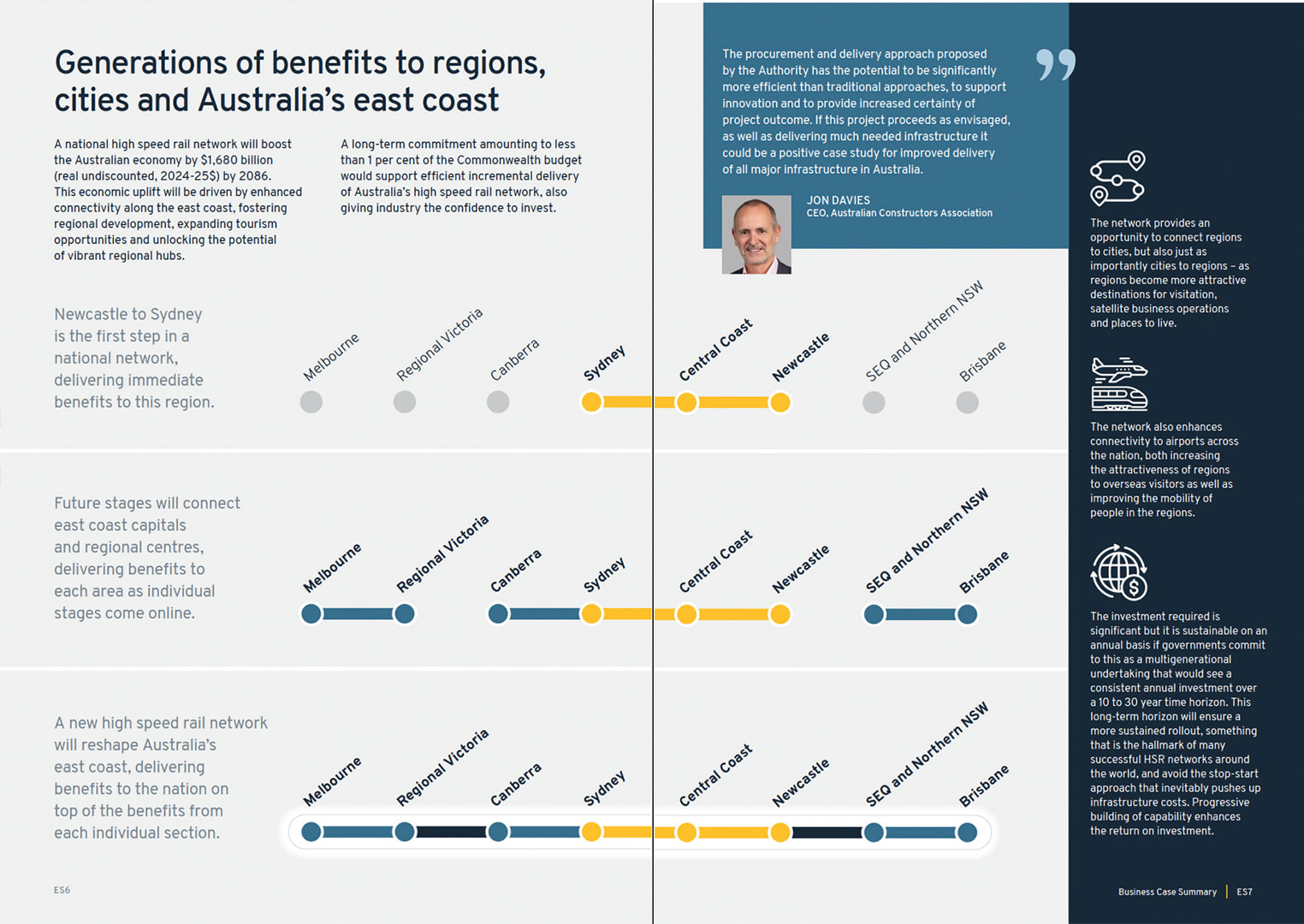
Risk scales up with project length and complexity. We also know from US and UK experiences, that this type of project in general is prone to massive cost escalation.
The Sydney to Melbourne train journey could be slashed from 11 hours down to just six, and at a fraction of the cost of high-speed rail plans, if sections of the track were upgraded for medium-speed rail, a train expert says.
While a high-speed rail line would take decades to build, laying just 200km of new, straighter track to replace an existing 250km stretch of steam-age railway would deliver a quicker service within four years, according to Wollongong University associate professor Philip Laird.
Philip Laird Bringing the Melbourne to Sydney railway up to standard
Philip Laird OAM
MSc (VUW) MSc (ANU) PhD (Calgary) FCILT, Comp IE Aust
Honorary Associate Professor, University of Wollongong
AusRAIL 2022
5 -7 December 2022, Brisbane
SUMMARY
Melbourne and Sydney are linked by a standard gauge railway of approximately 960 kilometres in length that traverses some challenging terrain. Since the 1970s, this railway has been losing freight mode share to road transport and has limited appeal for intercity and interregional passengers.
The paper will outline options for improvements to the existing railway with deviations that reduce the point-to-point distance to around 900 kilometres with appreciable curve easing and deviations. It will also briefly consider Sydney to Canberra intercity rail, high speed rail, and emissions reduction.
The paper concludes that for the existing Melbourne-Sydney railway to win more freight and passenger traffic, track straightening in New South Wales is essential. Other measures will also be needed.
Notes
12.22AusrailSYDMELpaperPLfin.pdf (476.3 KB)
I think it’s worth doing the hard yards on Sydney-Goulburn, since that’s the shared section for Canberra and Melbourne. Should be easier Goulburn-Canberra.
Usually there’s a network effect with HSR so you build your single strongest pair, and then with that in place more additions become viable (eg Syd-Can also gets you Can-Newy which helps a little bit).