5 Likes
^^No thanks bus are slow enough.
Wouldn’t most buses that are travelling on local streets be local anyway? And hence slow, as they stop for passengers?
Honestly though, some streets that are through streets having a 30km/h speed limit would be too slow, but for narrow/narrowed streets that are destinations it would be good to lower the speed limit to something more manageable
Though of course this requires good traffic calming for said destination streets
1 Like
Local 30km, connecter 40km, arterial 50-60km?
3 Likes
Plus it’s just an extra adminstrative and costly exercise to change over speed signs. Probably costing 20 million which would be another blow to rate payers. Lots of new eBuses can be purchased with that money as well as construction of new segregated bike lanes.
We already have 10,20,40 and 50 Kph which serves the community well.
We do need improved traffic calming and more segregated bikeways. That would be money well spent. This (brain fart of an idea) is just another academic voicing their opinions for notoriety.
Many world-class cities in Europe have 30km/h residential streets. What makes you think that it wouldn’t be worthwhile here?
5 Likes
No European and Japanese streets are generally half as narrow as ours and it’s done out of necessity for that reason.
That’s not true. Sure, in the older inner-city areas that is the case, but for the Netherlands, even modern developments close to the city have 30km/h speed limits. It’s a decision, not just a necessity.
2 Likes
I’ve lived in the Netherlands for several years and yes it’s done out of necessity so vehicles can pass each other.
They also have a lot of one ways because of narrow corridors yet bi direction bike traffic is allowed, so 30 kph kind of works.
We don’t need it here though much more pressing issues.
30 km/h is best practice for residential streets. Anything higher and most people won’t feel safe riding a bike on the road - hence Brisbane’s appallingly low % of trips made by bike.
At 30 km/h it’s also generally safe to walk on the road. Given how many Brisbane streets don’t even have a footpath, this is essential.
If you’re concerned about cost, you should be arguing FOR 30 km/h limits. At this speed you don’t need separated cycling infrastructure.
50 or 60 km/h is fine for arterial roads.
I’m sorry but 10 km/h (and to a lesser extent) 20 km/h limits are NEVER adhered to by drivers. When you’re in a car, it simply feels too slow to travel at that speed.
Show me a 10 km/h speed limit zone where drivers adhere to that speed.
1 Like
The back entry to Mt Ommaney Shopping Center 
1 Like
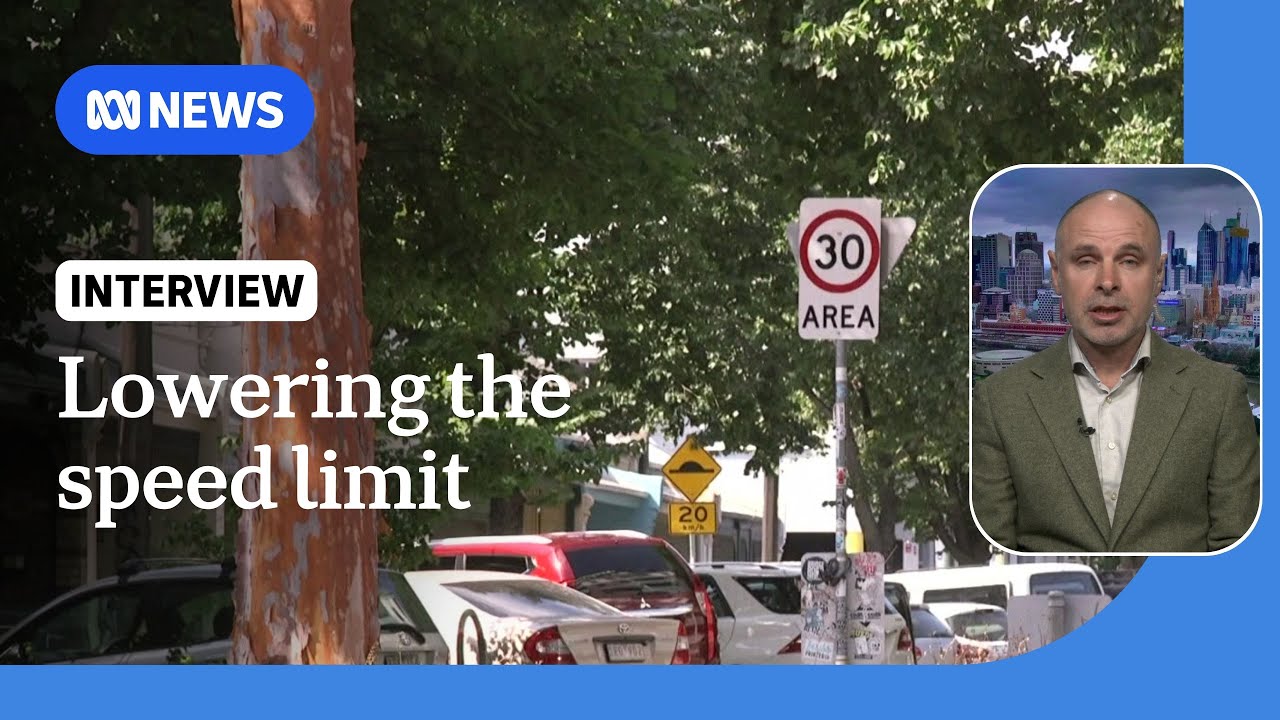
A large number of residential streets have no speed limit signs, they simply have the default speed limilt. If the default residential speed limit is changed to 30, there would be minimal need for speed sign changes.
Do you have any evidence for this?
It’s quite obvious isn’t it. I think you may have to experience those countries for yourself to see why. Most streets you can’t go above 25 anyway as they are mostly cobblestone or uneven pavers.
Unsigned roads maybe in Logan but in Brisbane they are everywhere and would take a significant amount of money to change.
So you don’t have any evidence. Good to know.
There are plenty of very narrow streets around SEQ. I’ve lived in a couple.
Are they? Once again, evidence? I’ve lived several different areas within BCC, and most of them had no speed limit sign on the street.
At this point, it just seems like you’re making claims to support your argument without any.
Once you have lived and experienced European cities as well as Japanese cities for yourself get back to me.
While I don’t know whether I would be in favour of a blanket speed reduction from 50km/h down to 30km/h on all local roads, there are definitely some places where it should be considered. In particular, streets in many new housing estates and subdivisions have narrow roads and on road parking. In many cases, the conditions makes it largely impossible to drive down them at 50km/h.
The majority of residential streets do not display speed limit signs - usually only ones that also double as a thoroughfare route (and in many cases, I feel this is often to make it clear that these main thoroughfares are not 60km/h main roads).
This lack of speed signage is why there is a specific road rule regarding it - “The speed limit in built-up areas in Queensland is 50km/h unless otherwise indicated by signs.”
3 Likes
Should we then, alongside making streets 30km/hr, design the same streets so that you can’t go above 30 anyway? Like by narrowing streets and adding traffic calming.
I think this would be most effective, as enforcement of local streets everywhere in Brisbane would be costly and in my opinion may not be as effective
1 Like
This is a big part of the answer. Targeted streetscaping with active transport improvements to lower the designed speed of selected local roads.
In Perth I read that they made some streets shared use between cars, bikes and pedestrians. There were complaints/worries about safety of being mixed with cars but I think it was broadly successful. Maybe some redesign was needed.
2 Likes