Bus sizing and fleet selection

Saw the below ad-article tonight which raises questions that have always fascinated me, and I feel are outside the scope of the current bus threads.

Do we want to continue with a one-size fits all default of 12.5m city buses, or should we be advocating for the wider reintroduction of midi buses on coverage/feeder services?


Without any explicit research I would expect:

For midi buses:

  • somewhat reduced acquisition costs
  • better suited for navigating the suburban environment, especially newer developments (Manoeuvring, less obstructive, safety, noise?)
  • Potentially better suited for electric transition (reduced vehicle weight = reduces battery/charging requirements)
  • Capacity typically not an issue for most coverage routes

Against midi buses:

  • negligible difference in operating costs
  • subfleets increases scheduling and day of operation complexity/disruption management
  • reduced passenger experience (passengers more likely to have a neighbour)

My current view is there should be more midi buses in Queensland fleets, but they only make sense once a network matures. The traditional approach of coverage routes providing combined service down main corridors before branching out into different backstreets plays nicely into a single fleet model. The alternative, as BNBN started to move towards, of frequent trunk routes down the main roads supplemented by local coverage feeders (e.g. previous mixed 172/184/185 vs trunk 185 + local 172/182) provides significant legibility and efficiency benefits that enable specialised fleet.


https://www.busnews.com.au/bus-stop-challenges-local-market-with-new-low-floor-electric-city-bus/

“Australia’s shift to zero-emission public transport is accelerating, but not all routes are suited to the same vehicles,” Bus Stop Sales director Pete White told ABC.

“That is where the real fleet challenge sits.”

At the same time, the operating environment for bus services is changing, with urban infill, expanding suburbs and new residential developments producing tighter street layouts, constrained intersections and more variable demand patterns. Yet fleet allocation has often defaulted to familiar choices – either a full-size 12-metre bus or a much smaller vehicle – neither of which consistently addresses these conditions.

For suppliers, this reflects a deeper structural issue as 12-metre buses becoming the industry default have been effective on high-capacity trunk routes but are less suited to services where manoeuvrability, flexibility and whole-of-life efficiency matter more.

“The starting point wasn’t size, it was what actually works in service,” Long told ABC.

Once you accept that driver cost and fleet overheads are largely the same regardless of bus size, the solution has to deliver accessibility, passenger comfort and operational confidence without compromise.”
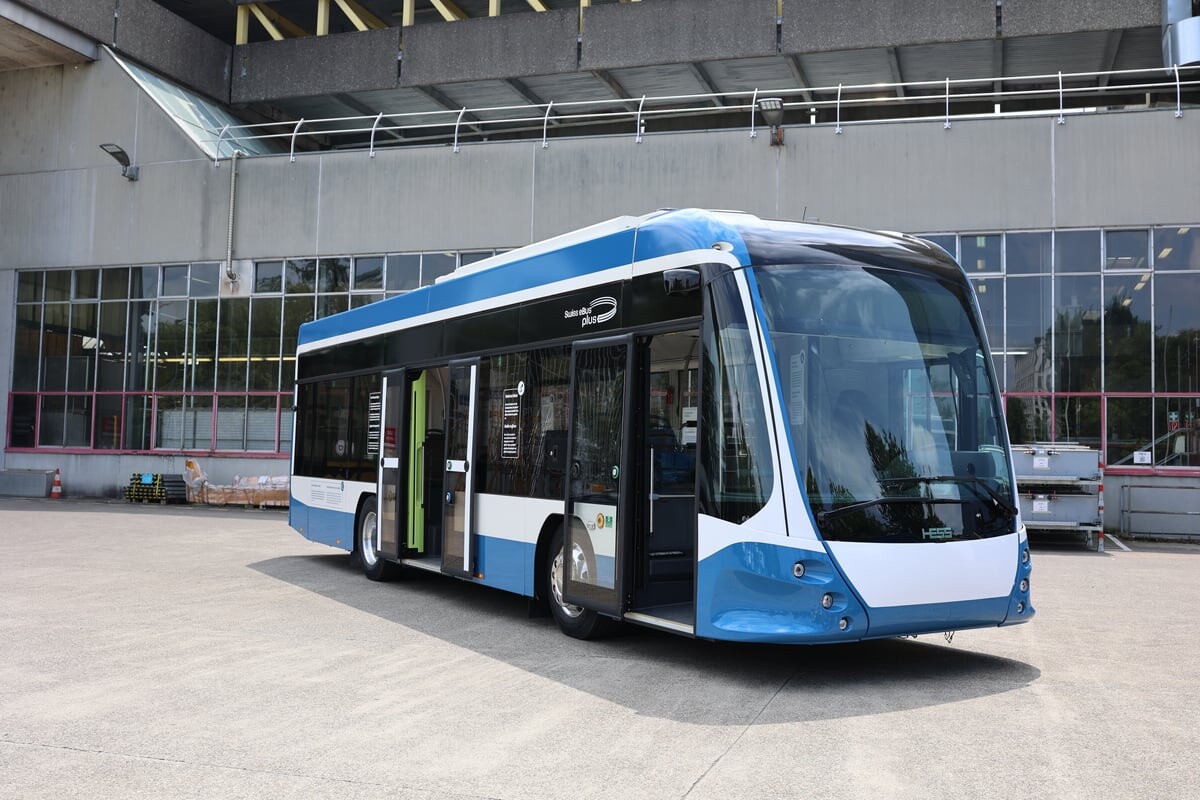
What size is a ‘midi’ bus?

The model in the article is 9m (They believe neglible benefit in going smaller) in either one or two door configuration. The two door config is quoted as 17 fixed seats + 2 wheel chair or 7 foldable seats so significantly bigger than a Hino Poncho for example.

Historically this has not been a good idea because the smaller buses available were mechanically unreliable, got clapped out very quickly (especially where you have anything that isn’t flat terrain) and not particularly comfortable to ride in or drive. Take it from somebody who grew up in a part of the Gold Coast served almost exclusively with these shitboxes from the mid 90s to mid 00s.

Electric traction may change the calculus a bit, but I’m currently in Perth for a week and there are plenty of full feeder buses. (Some of the PTA fleet is slightly shorter wheelbase at about 11m, but this is mostly for the CAT fleet in the inner city and they are specced to prioritise standees.)

1 Like

I remember those clapped out things from my uni days in the mid-late 2000s. Thankfully they were largely replaced by that time, but they still did service a route that went between Harbour Town and the Uni (and further south from there) - I think it was the Route 738, but that was 20 odd years ago now.

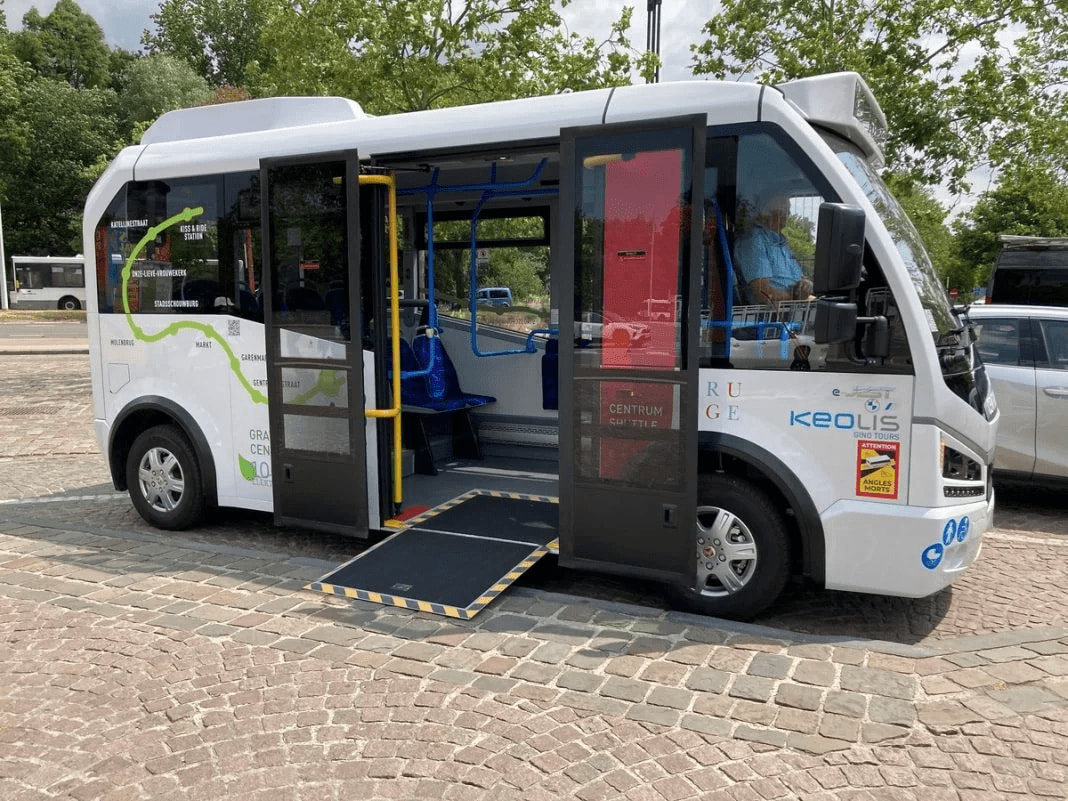
When operators look at this it almost always works out that the cost of a variable fleet is more than any marginal savings in operating costs as the driver is the main cost of every service. The only exception is when the road network really does not permit full sized buses, but to make a real difference in that regard you have to go to something like this awesome thing that takes you into the narrow streets of the Bruges old town:

I tend to think that these kind of small buses would only really be suited for short distance, very high frequency routes that don’t see a lot of pax per service. Possibly something like the City and Spring Hill loops, although I’m not certain on the number of pax those routes get.

I’m not sure they’re applicable anywhere in Australia - this one is used on literally medieval streets and needs to be very small and doesn’t go very far. When I was on it it was free but they’ve started charging because it was always too crowded as it only has about ten seats.

I probably should have clarified, I was more meaning midi buses in general, not necessarily the little one you posted.

An example that comes to mind is the Hess LighTram 10, the midi version of the Metro buses, but which still has a relatively useable capacity of 76+2.

Kinetic still holds a small fleet of midibuses (BusTech MDi) for routes 767/768, with another set for NSW runs, and those are needed for the small and tight streets of Tugun Heights.

They are quite clapped out though and I’m not really sure how (or if) they’re gonna replace them.

The MDis on the Sunshine Coast are awful. Due to fleet constraints they’re also rostered on basically every route - bad luck if it’s a busy rail feeder, you either stand or wait for the next one.