Plans have been lodged for a first-of-its-kind 25-storey apartment tower next to Westfield Carindale, as an ambitious Sydney-based developer tests Brisbane council’s appetite for dramatically taller buildings in the suburbs.
A section of a bush block at 1202 Creek Road in Carina Heights, directly opposite the shopping centre, would be cleared to make way for 253 apartments and 370 car parks, if the development application from Parkmor Property Group is approved.
…
Parkmor, which is privately owned by Sydney’s Bigeni family, purchased the 9050-square-metre block beside Belmont Private Hospital, via its development vehicle Carindale PPG Pty Ltd, in February 2025 for $5.6 million.
Six and a half months later, Brisbane City Council announced its plans to drastically increase building height limits to 30 storeys around Carindale shopping centre, and also boost heights around retail hubs in Indooroopilly and Nundah. The changes are yet to be formally adopted.
…
The proposed tower sits just metres outside the boundary of the area slated for increased height limits, but the application leans on the council’s desire to have more residents living in apartments near transport and shopping hubs under its “tall over sprawl” mantra.
“The proposal is consistent with council’s strategic direction and comfortably falls within the revised height limits contemplated under the amendment,” it says.
I hope that this will be met with an increased investment in public transport by council and the state government, to secure more articulated buses out in the eastern suburbs. This would alleviate the crush-loads that frequently occur on the Old Cleveland Rd corridor, since all Carina and Garden City depots usually have are just 14.5 metre TAG axles.
Would be nice just seeing regular 200/209/222 artics for a change.
Completely off topic but I used to live literally around the corner from that Jellicoe Street address… flood zone doesn’t even begin to cover it.
BCC’s street drainage there is functionally broken, there’s no backflow prevention when the nearby creek rises during heavy rain, it backs up through the street drains and the whole street goes underwater.
When we were there it averaged probably two decent flooding events a year, decent being deep enough that some cars parked on the street were written off.
To bring my comment back on topic though, it really reflects how cooked the market is, there is literally nothing nice about that street and you still have to pay $775k for a tiny unit. I know it’s technically TOD being walking distance from Coorparoo station but… at what cost?
I’d rather be somewhere like Caboolture in a cheaper place that doesn’t flood, personally, even if it means an hour commute 
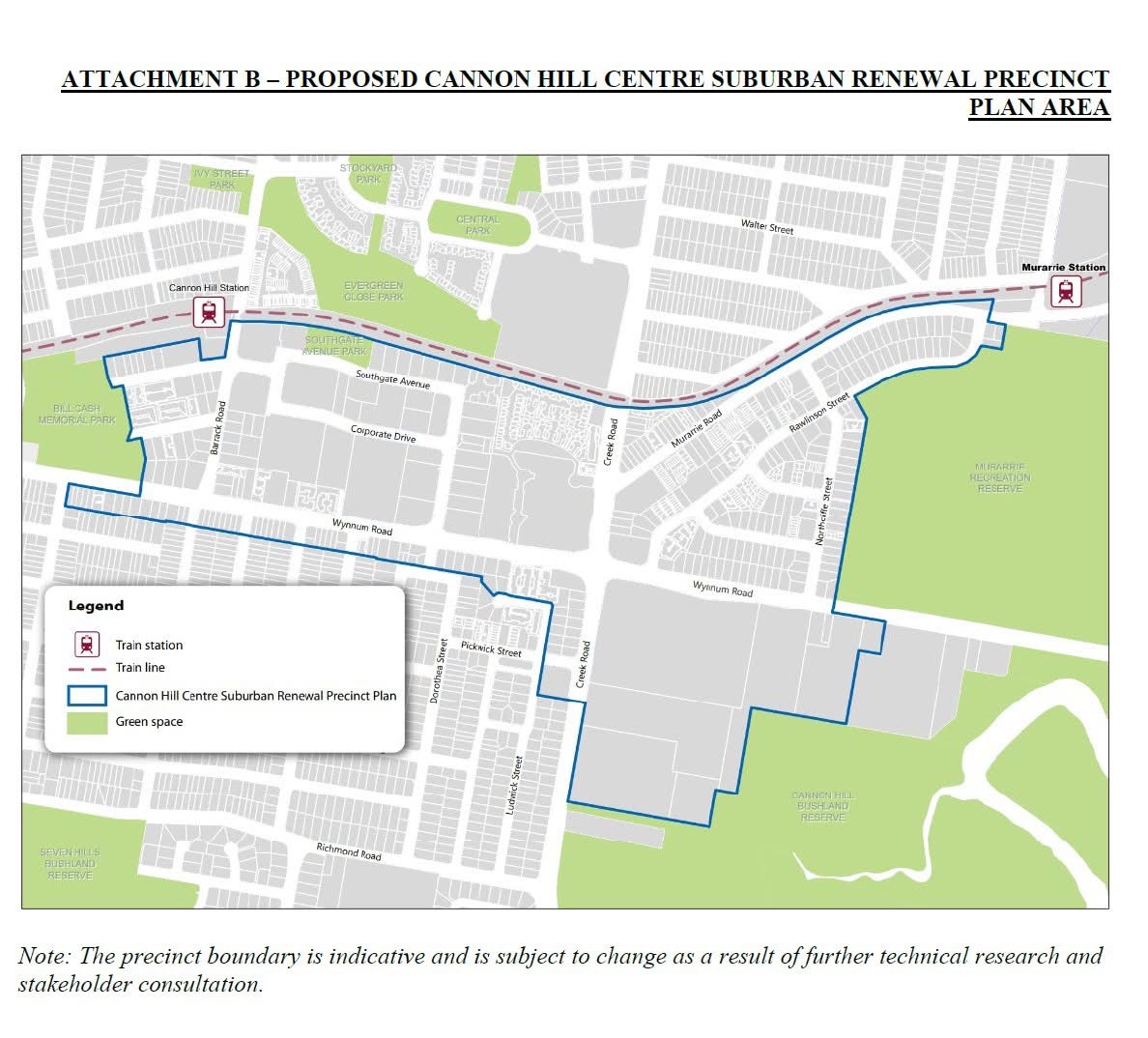
There needs to be high frequency services through Cannon hill interchange to support the plan.
Which route are you thinking? 215/220 or 227?
Both. They service two different corridors
The routes in this corridor are pretty confusing and should be simplified and made more frequent. I would consider having an all day reasonably frequent 214 to service Richmond Road and Bennetts Road and have all other routes use Wynnum Road and Story Bridge for a more direct trip.
Yeah I wasn’t thinking of routes, I was thinking of service.
With a reasonable piece of infrastructure like the Cannon Hill interchange and such major roads in the area like Wynnum and Creek roads, it shouldn’t be hard to turn up and find a high frequency service to the city at least, but also Carindale etc
Tbh the whole area is pretty bad and needs a major review, but prior to that, the following changes could/should be made:
228 to become an all-day services running every 15 minutes (Cannon Hill to City via Wynnum Rd/Story Bridge.
Fill the gaps between 220 and 215 with 214, so you’ll also have a 15 minute service to the city via Richmond Rd & Woolloongabba.
This is partly why Melbourne has gone from second most unaffordable to one of the most affordable capital cities in Australia. It has completely changed zoning to allow more medium density housing particularly within its inner and middle ring suburbs. Although there are some who will still buy a typical suburban house, most of those people are likely to just move further out or if possible, increase their budget. But with zoning allowing for more medium density housing such as townhouses, units and apartments, it has allowed many workers, both first home buyers & renters be able to stay in their local area. Rezoning of the inner & middle ring suburbs has also allowed for more homes near public transport including trams and trains, as well as a diversity of different types of houses. Many of these new medium density units are also popular with investors due to being lower maintenance and less risk/responsibilities compared to the upkeep of an average suburban house, whilst also being located in more desirable areas, which is good for growing asset value.
I think if we want to be serious in solving south east Queenslands housing crisis, we need to take a look into our outdated zoning and reform it to build more homes close to transport hubs and more importantly, invest into utilities, essential services, public transport & active transport infrastructure to cater for this additional demand.
What a difference maps make:
I think there is a word we can coin to engage “overdevelopment” and that is “underzoning”.
Melbourne’s tram network pretty thoroughly covers the inner city which makes it ideal for general upzoning of the inner areas. As Brisbane lacks that, I think a better approach would be high rather than medium density around rail and busway stations while leaving the low density elsewhere.
What I mean is, instead of townhouses over the whole suburb, have 4-6 story buildings within 400m of stations, and leave the detached housing further than that.
This should be happening along the entire Ipswich, Cleveland, Beenleigh/GC and Caboolture/SC lines in my opinion.
Work together with local councils to establish TOD zones within walking distance of each station that allows 6 storeys within a certain radius of greater Brisbane stations and 3-4 storey low rise style for the remainder.
it’s crazy to me that even in places like Petrie which are major interchanges there are still single homes on the same street as the station and massive commuter carparks.
We could approximate something similar with the glider network of buses. I know the object permanence of tram tracks tends to spur higher density development more strongly, but it’s not impossible to do with a very visible bus. Newstead, Teneriffe and West End have developed quite densely despite only having the 199 and Blue Glider, but no trains and no realistic plans for trains in the next decade.