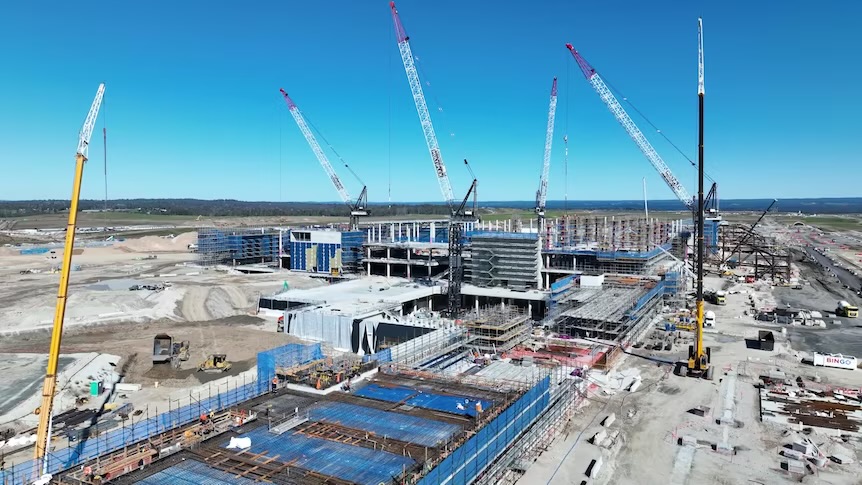
Western Sydney Airport Rail

https://x.com/CatherineKingMP/status/1907280734697746488

The first bits of track have officially been laid on the future rail link to Western Sydney Airport.

Whether you live in Sydney or Melbourne, we're putting in the work to get trains to your airport. pic.twitter.com/VyuY5jsrUS

— Catherine King MP (@CatherineKingMP) April 2, 2025


1 Like

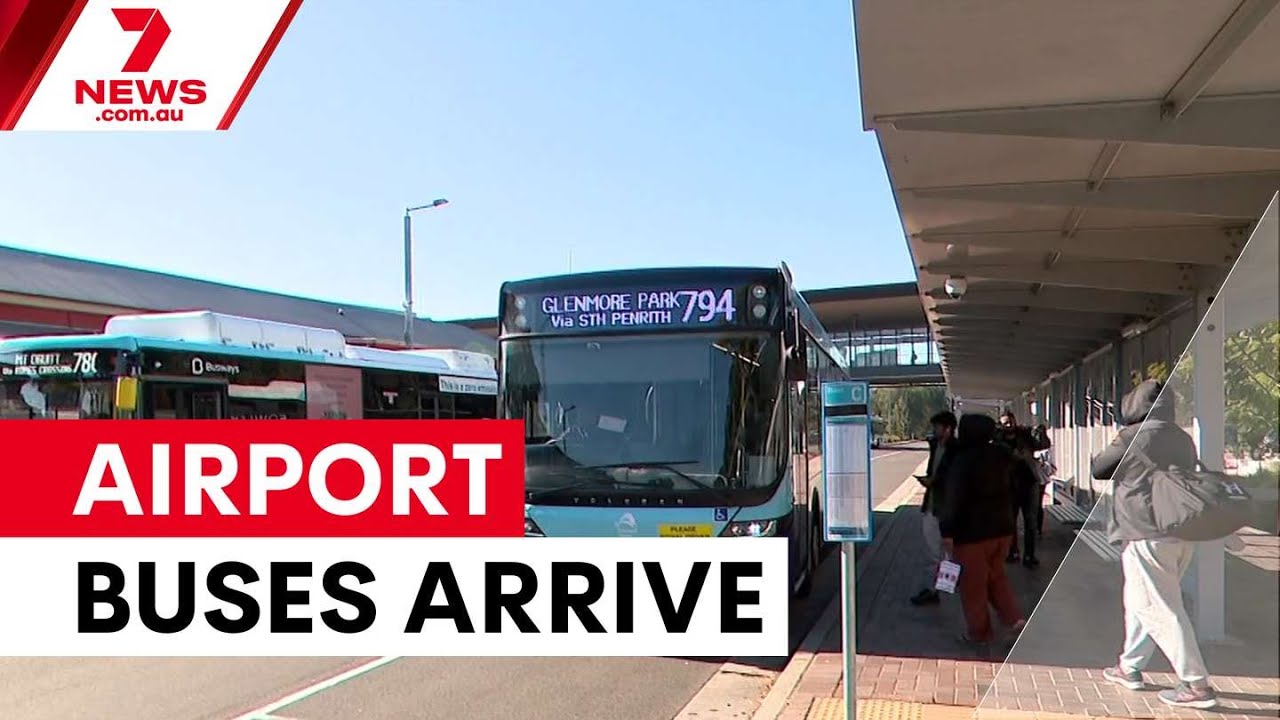
Free 30 min frequency bus to Western Sydney Airport launched.

Somehow a 30 minute bus frequency plus waiting for a train transfer does not seem frequent enough?

1 Like

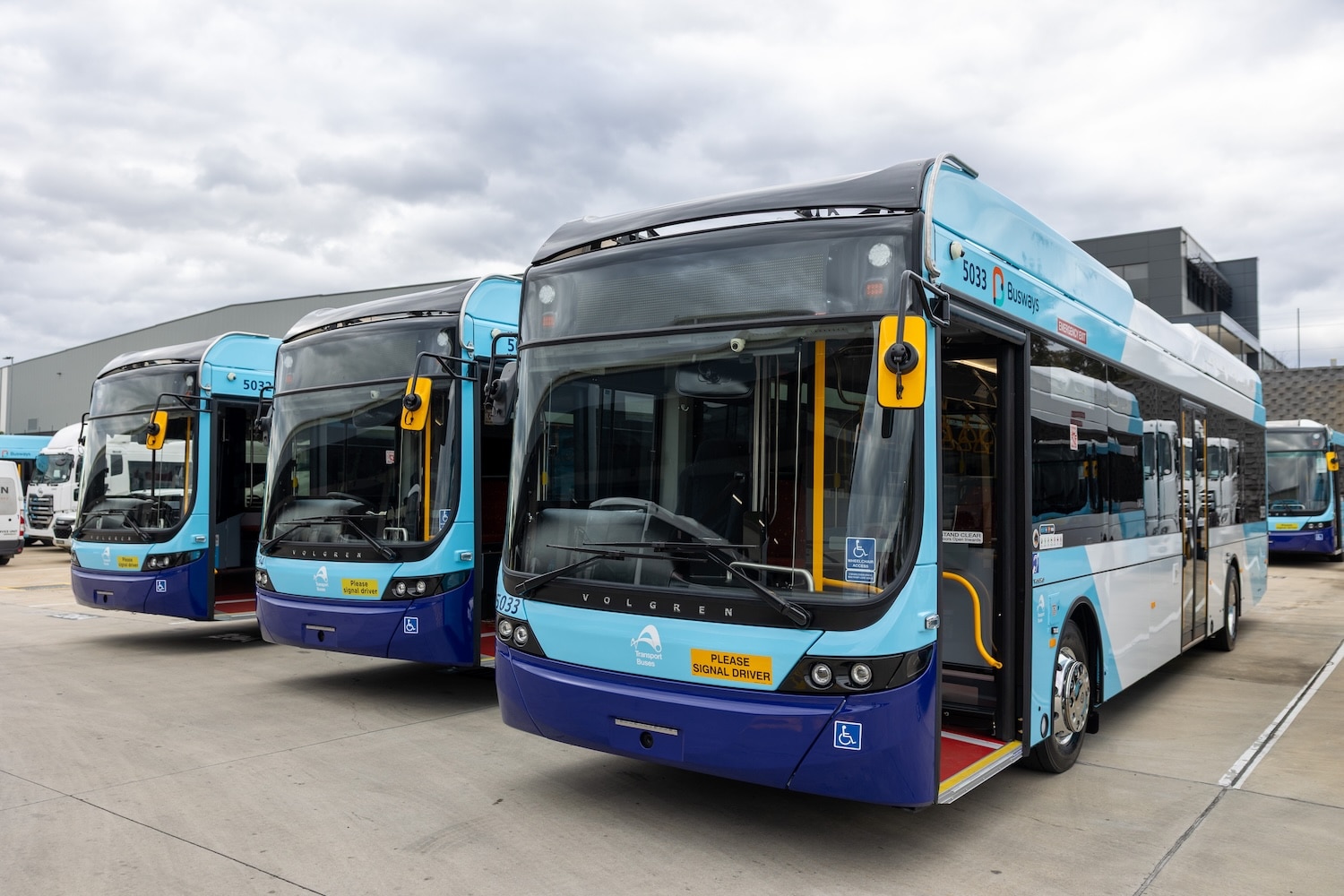
Transport for NSW’s coordinator, Howard Collins, has stated in a press briefing that the new Airport bus route will have sweeper services, as the NSW transport has recently acquired “new electric buses.” (0:35).

Any increase in demand will be met with a swift increase in frequency to the bus route.

2 Likes

At least they are getting a bus service unlike Cairns, Wellcamp and Brisbane.

Bus routes to Western Sydney Airport. 60 minutes in-vehicle time, and then adding on 30 min frequency or so, gives a 90 minute trip.

It’s really bad frequency, so the selling point was “it’s better than nothing” :joy:

If this were Perth, the bus would be every 15 min all day.

Apparently they will increase to every 30 min or more when the airport is in full swing. 60 mins is just an interim measure.

A post was merged into an existing topic: Airport transit bus services

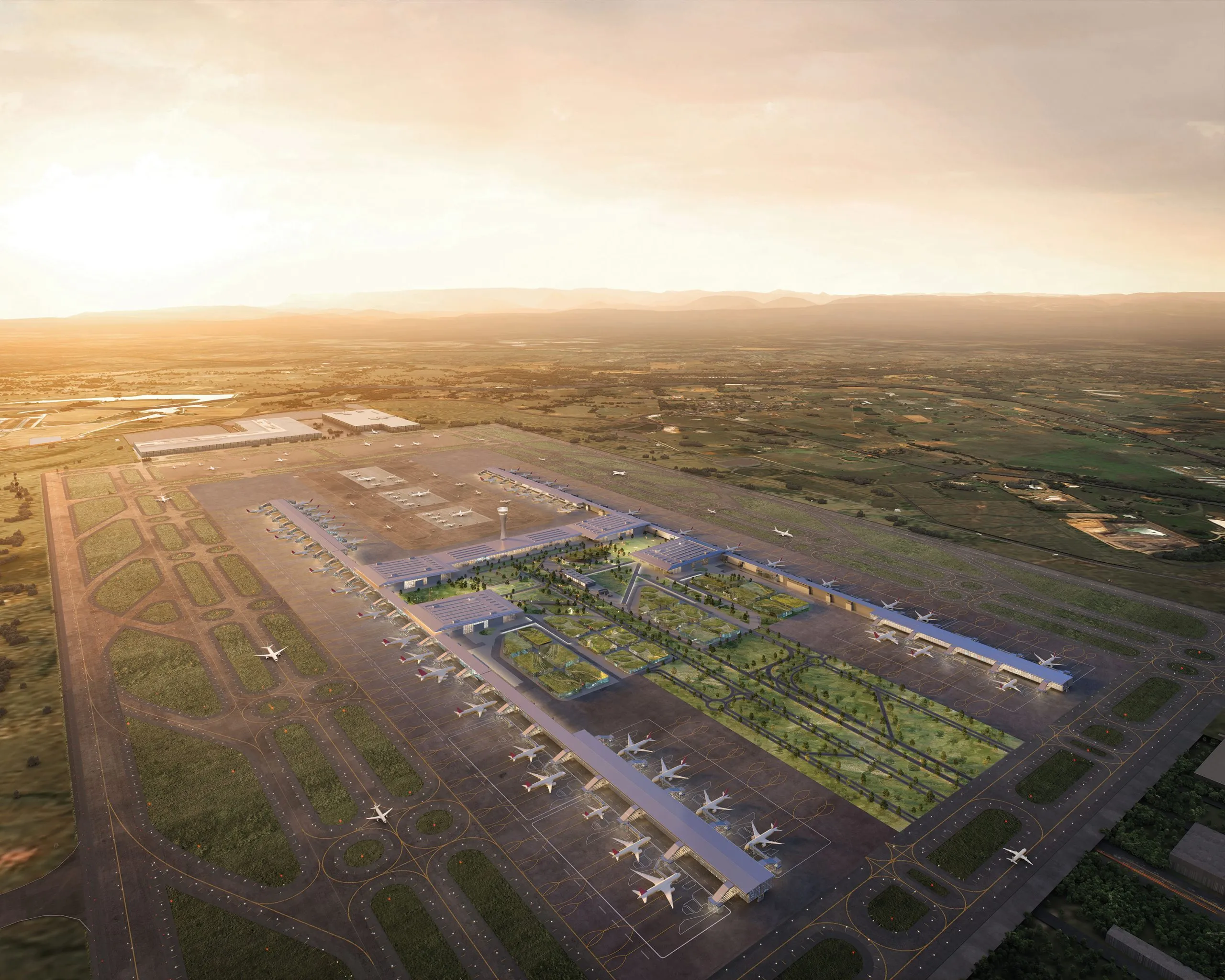
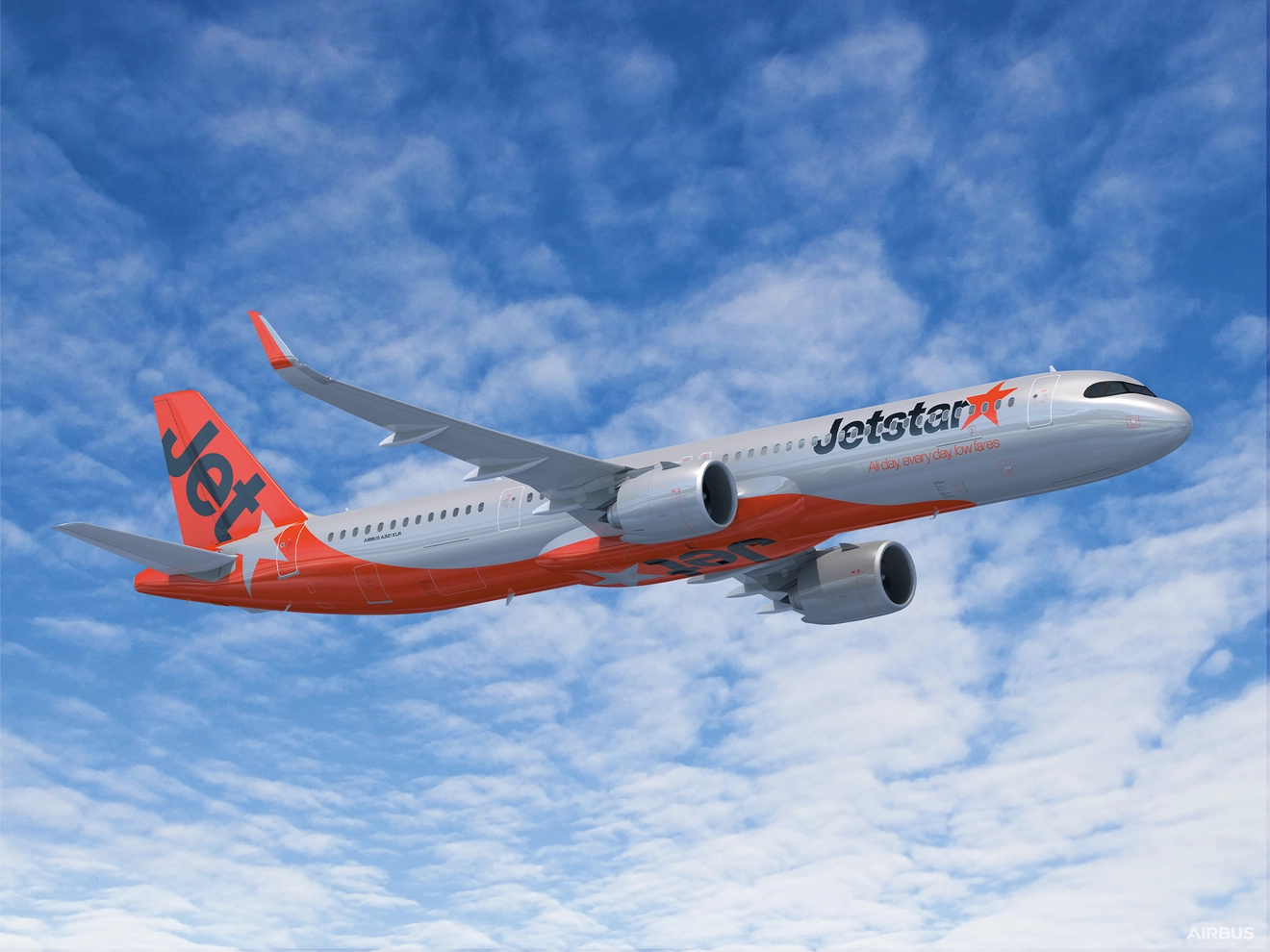
We have an opening date confirmed for the new Western Sydney Airport with the first flight to be an Airbus A320 operated by Jetstar on a flight to the Gold Coast.

Freight operations by Qantas meanwhile are expected to commence late next month.

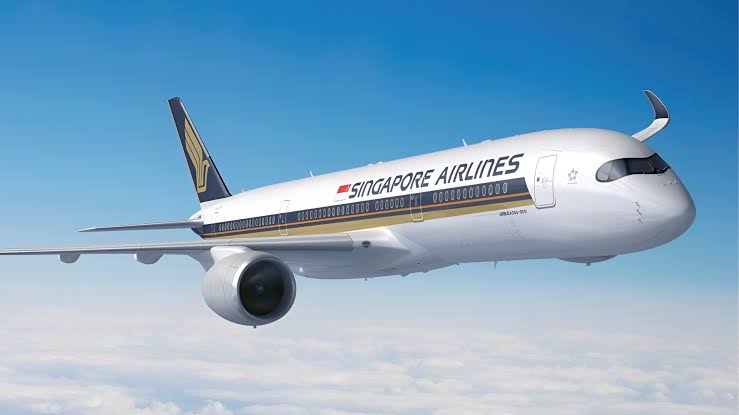
Currently only 4 Airlines have announced flights out of the new Nancy Bird Walton Airport, these being Jetstar, Qantas, Singapore Airlines and Air New Zealand.

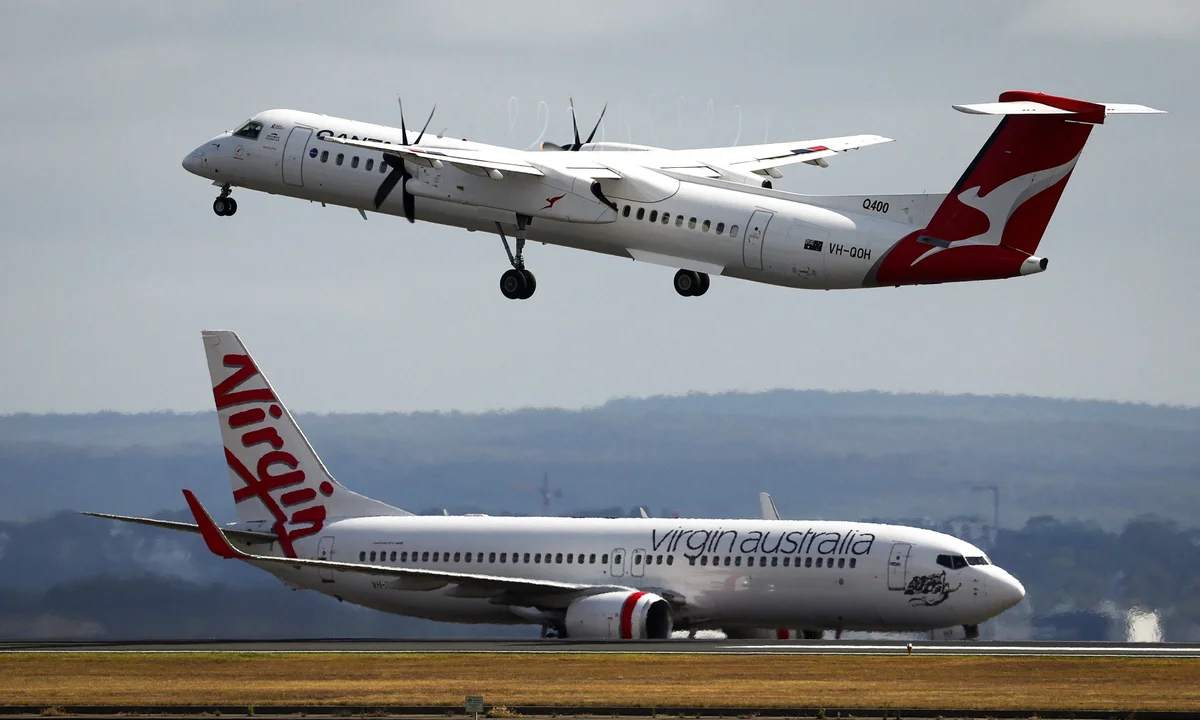
Virgin Australia is still yet to announce whether they plan to launch flights out of Western Sydney but I assume they will definitely be looking into how the new airport performs demand wise.

From launch, Jetstar will operate up to 14 flights a week to Melbourne, four weekly flights to the Gold Coast and three weekly flights to Brisbane.

Qantas will commence services on March 28, 2027, operating four flights per week to Brisbane and Melbourne.

Daily flights to Changi via Singapore Airlines will start on November 23, 2026 and Air New Zealand will commence flights to Auckland on October 26, 2026.

I also speculate that Qantas and Jetstar in particular will open up even more destinations at least domestically and possibly even to New Zealand over coming years and also expect Virgin Australia to launch their own flights at some point.

However the new Metro connecting to St Mary’s will unfortunately not be ready when the Airport opens and possibly not even open until 2028. Metro or not, multiple bus routes (I think it’s 5 routes + maybe a free Airport shuttle) will service the airport from day one with frequencies of every half hour or less. These will be served by a fleet of new accessible electric buses. These have already been delivered and are currently in the road testing/bus driver familiarity training phase.

The Airport will also be serviced by the new M12 motorway and in the future, a new Aerotropolis called Bradfield will be built from the ground up as a local business centre (also to be serviced by the metro & local bus services), located conveniently close to the new airport. Over the next few decades hundreds of thousands of jobs could be created from this Airport and the surrounding developments combined which have already created tens of thousands of jobs during their construction.

2 Likes

It seems the Vietnamese airline Vietjet will enter the Australian domestic flight market, and are reportedly going to have their base of operations at the Western Sydney airport.

1 Like

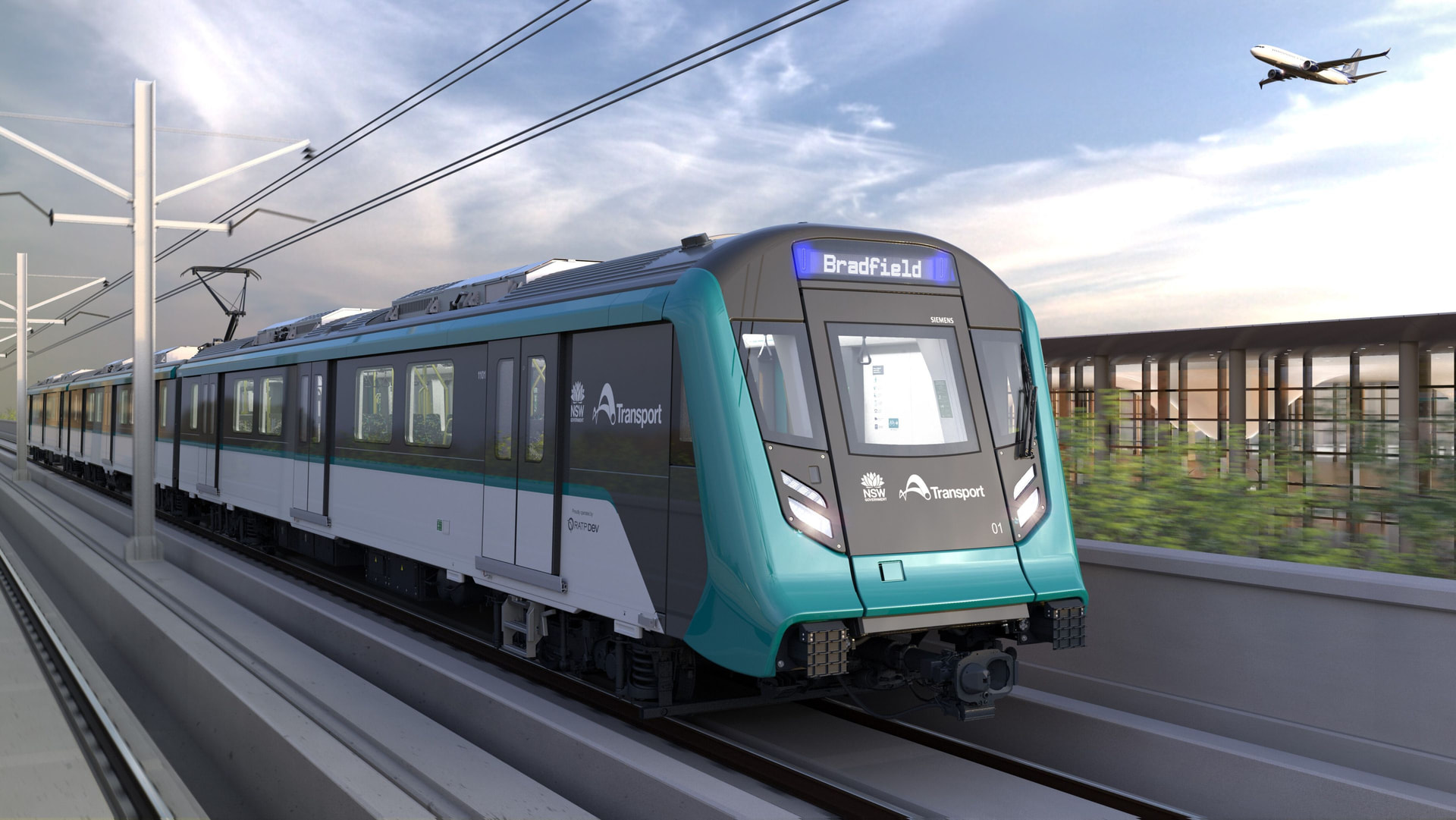
" The next-generation, three-carriage train travelled 23,000 kilometres from Vienna.

It was unloaded in Port Kembla on Monday and was trucked to Sydney Metro’s new Stabling and Maintenance Facility at Orchard Hills, where the train was assembled.

Design features of the new trains:

Wide, accessible aisles through the centre of the train – approximately 30 centimetres wider than those on M1 Line trains - to allow for ease of movement for passengers travelling with luggage;
Room for luggage storage below seats;
High resolution displays showing real-time flight information via a direct feed from the airport;
Multiple seating choices in each carriage, including front and rear facing seating for groups, plus traditional longitudinal (sideways) seating;
Designated wheelchair spaces and accessible areas;
Hearing loops in all carriages for enhanced accessibility and
Four bicycle storage spaces on every train.
The remaining 11 trains are due to arrive over the coming months, with dynamic testing on the 23km, six-stop line expected to commence later this year.

The journey time from St Marys metro station to Airport Terminal Station will be around 15 minutes. "

1 Like

I know this is the “western Sydney” airport but it seems odd that it’s train connection is to St Mary’s which then has dicey connections to anything east of parramatta especially since as far as I know current plans don’t indicate the BMT super express stopping at st Mary’s

The western line is also already pretty overloaded, wouldn’t the metro connecting to leppington be better considering how under-utilised leppington is (I know this would also be a long trip) but wouldn’t extending city train from leppington revive that kinda underutilised line and create a one trip train to BOTH parramatta and Sydney CBD

The idea is that St Mary’s will eventually connect to Tallawong station on the current metro line.

1 Like

But the two metros are incompatible with each other and doesn’t the metro northwest not even want to go to Schofields because it will overload it at the more inner city stations down near Chatswood

They will connect it to Schofields eventually. And yes they are incompatible, St Mary’s will be the transfer point and will eventually become a big centre in its own right due to the interchange. Gotta think bigger than just the current state of things, people will have to live somewhere and new centres will rise as a result. No reason why St Mary’s can’t be one of them.

Rather than a winding, indirect route via Leppington, if the idea was to make truly convenient connections from Sydney and Parramatta CBDs to the new airport, then they ought to have extended Metro West there, via Wetherill Park.

The more interesting question to me is what do you do with the Leppington branch and how do you serve the Narellan area.

(I do think a Metro West extension to WSA might be reasonable too - especially if it supports sending HSR more directly southwest.)

I guess the idea of having 2 pretty important CBD’s in Penrith and Blacktown and deciding to put the connection point half way between them on a line that already doesn’t get enough service is a bit odd to me, especially where whether you interchange the two metros at st Mary’s or Schofields you still have a three way intersection of two incompatible metros and an underserviced city train line with no real direct route to either parramatta or Sydney unless you also extend metro west to make an awkward 4 way intersection that also pointlessly duplicates service between parramatta and Blacktown

Meanwhile you’ve also got this weird stump of a line with leppington that’s closer to the airport and also already has built in one seat journey’s to parramatta and Sydney via T3 and T5

Blame the NSW transport department for not building the northwest metro with 25kV AC to begin with. If they were going to all the effort to shut down the Epping to Chatswood line for metro conversion, they ought to have made the electrical system part of the changeover. Then it could have connected directly to Western Sydney Airport.

I will never understand why “compatibility” is important to some people.

I think the answer should be obvious, it prevents through running of the same services and forces everyone to get off to transfer. This is fine for a feeder bus or light rail, but the whole point of a high capacity mode like a metro (a real metro, not the BCC nonsense “metro”) is that it’s built to be a trunk service, not a feeder.

It’s the same argument against having a break of track gauge. If the lack of compatibility didn’t pose problems, nobody would bemoan states having different gauges, and we wouldn’t bother building dual gauge lines.