There’s also the StationLink bus that might be helpful to some people between trains.
Imagine how much money we would have saved if we just left the bare concrete at the stations exposed and instead of escalators, used just stairs.
I have been to the underground part of Roma Street where cross river rail is. I won a trip through a competition.
This was last year though
Some level of cladding over concrete walls is sensible for noise reduction, safety and aesthetics, as do escalators for the length of travel down/up to/from the platforms.
What doesn’t make sense are the enormous roofing structures and spaces above the stations which seem to serve no practical purpose.
4 Likes
I know we’ve gone over the 2029 first passenger services date before….but just for good measure!
Here is CRRDA spruiking that testing is clearly underway already…
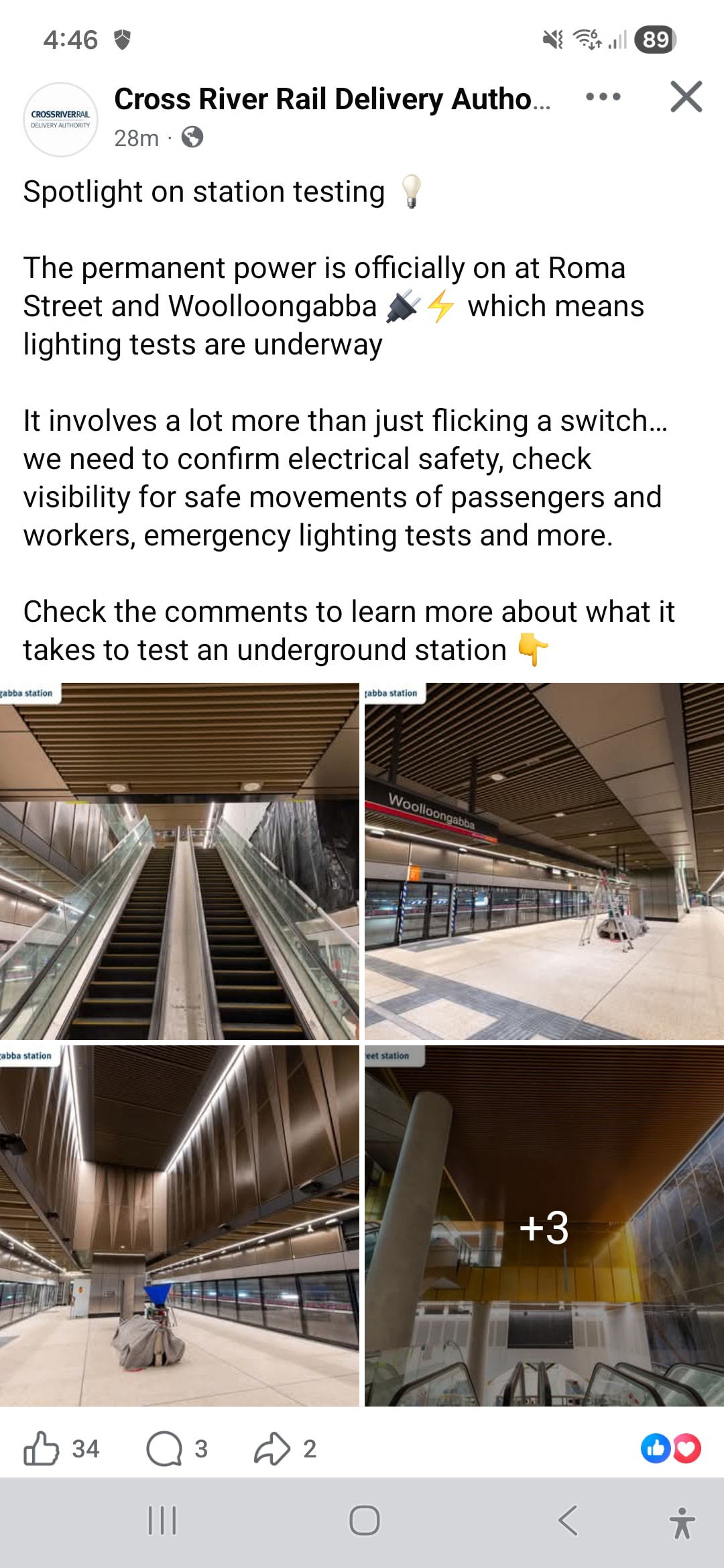
And then they link to this March 2026 press release for further information
Which states…
This phase-by-phase process is expected to take about two years, which is in line with similar projects such as Sydney Metro, Melbourne Metro and Crossrail in London.
Following this process, first passenger services through the new underground line are expected in 2029.
Sooo…if:
- Testing is underway already
- And it is April/May 2026
- And the testing process takes 2 years.
Shouldn’t first passenger services be in 2028, at least?
And likely earlier? Given within the 2 years is a period of 6 to 9 months of “limited first passenger services” that involve:
From there, the new rail line is introduced to the existing network with limited first passenger services. These are increased gradually and over a period of six to nine months, to ensure the underground line can reliably operate with limited services before scaling up.
1 Like
You have to allow for stoushing with unions, elections obviously. 
1 Like
While Woolloongabba and Roma Street are nearing practical completion and entering the testing phase, other stations aren’t at that point yet - notably Albert Street Station. Sccording to what I have seen, Albert Street is expected to be the very last station to reach completion, and will do so substantially later than the other stations.
1 Like
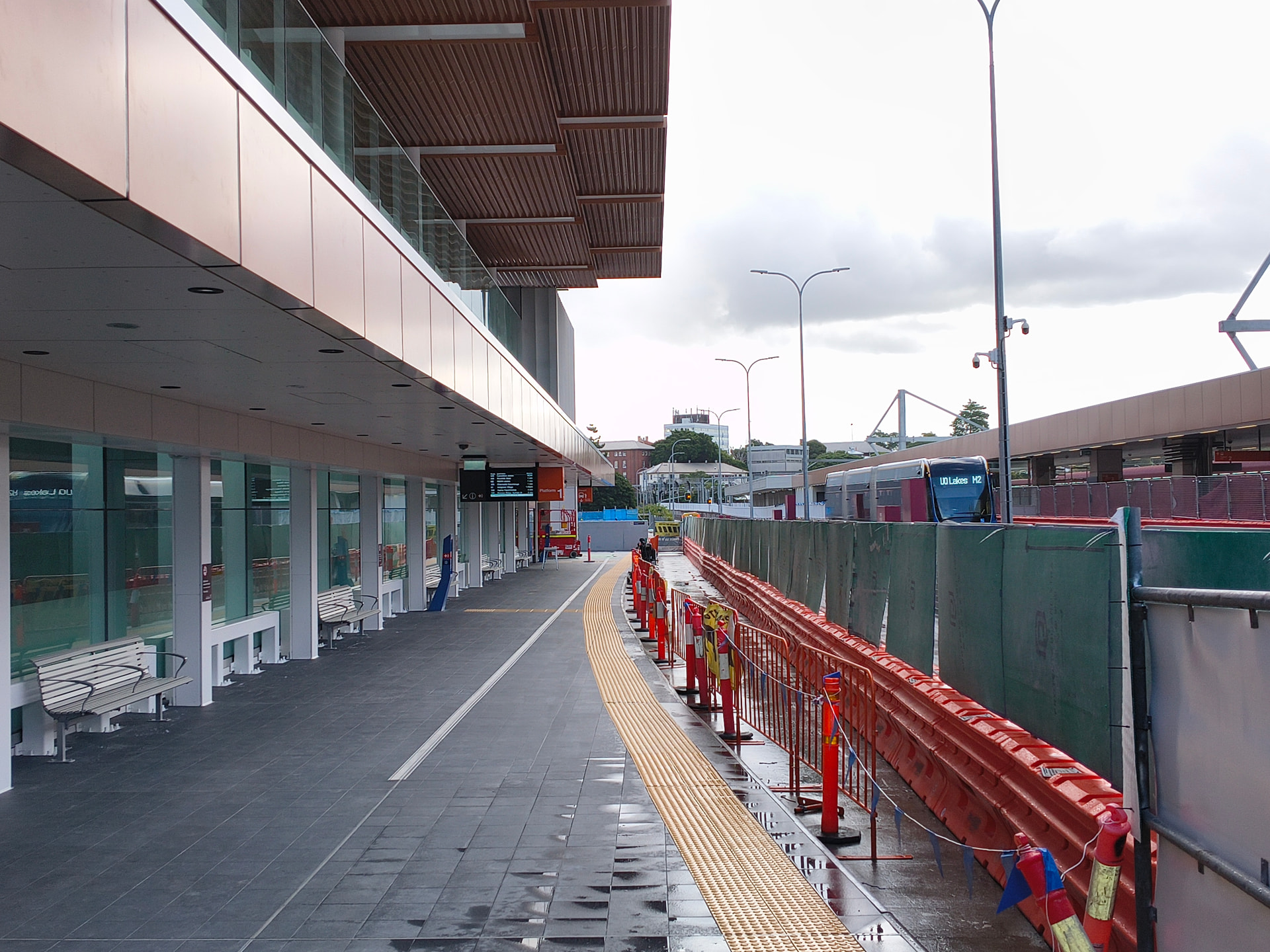
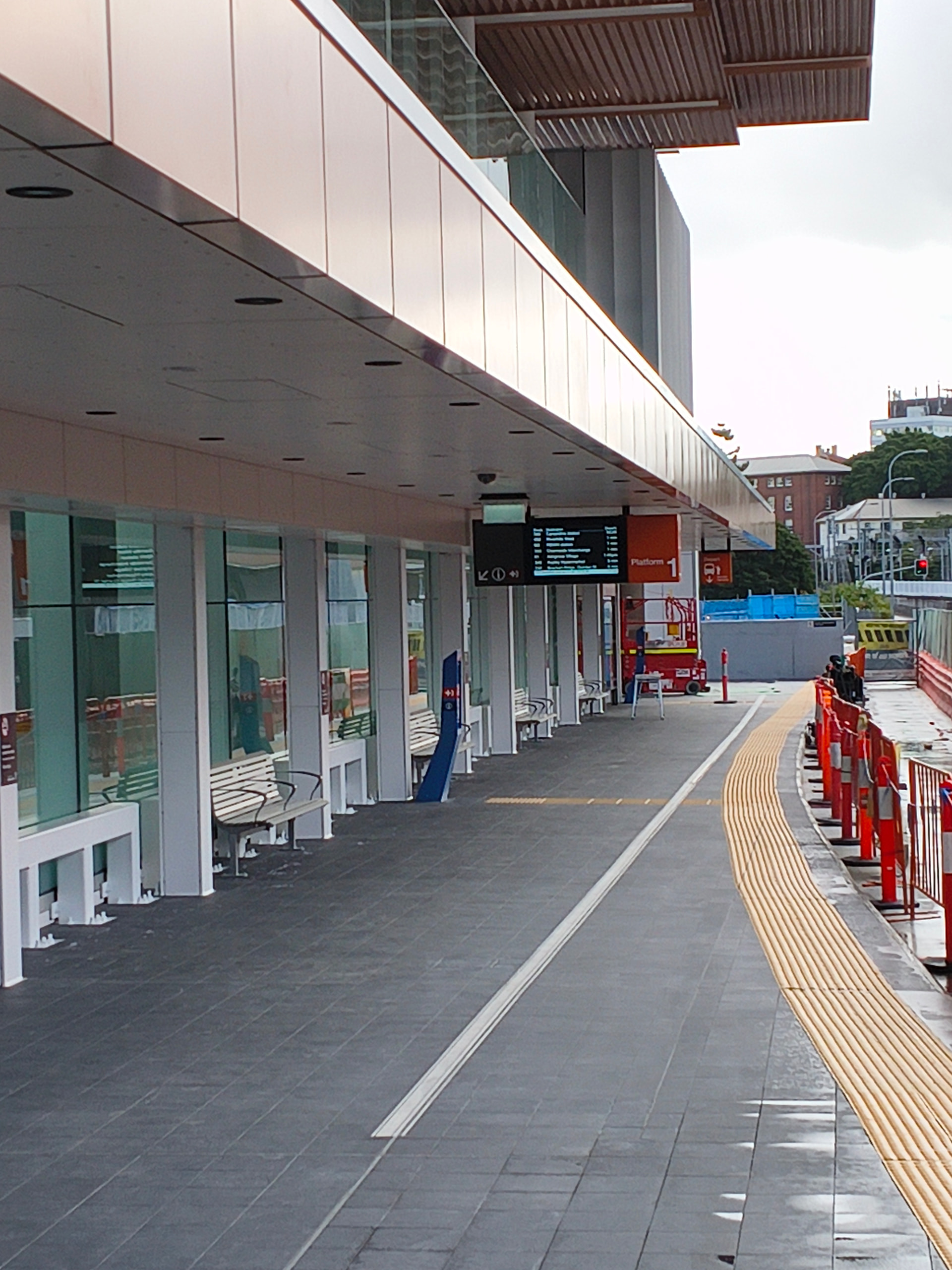
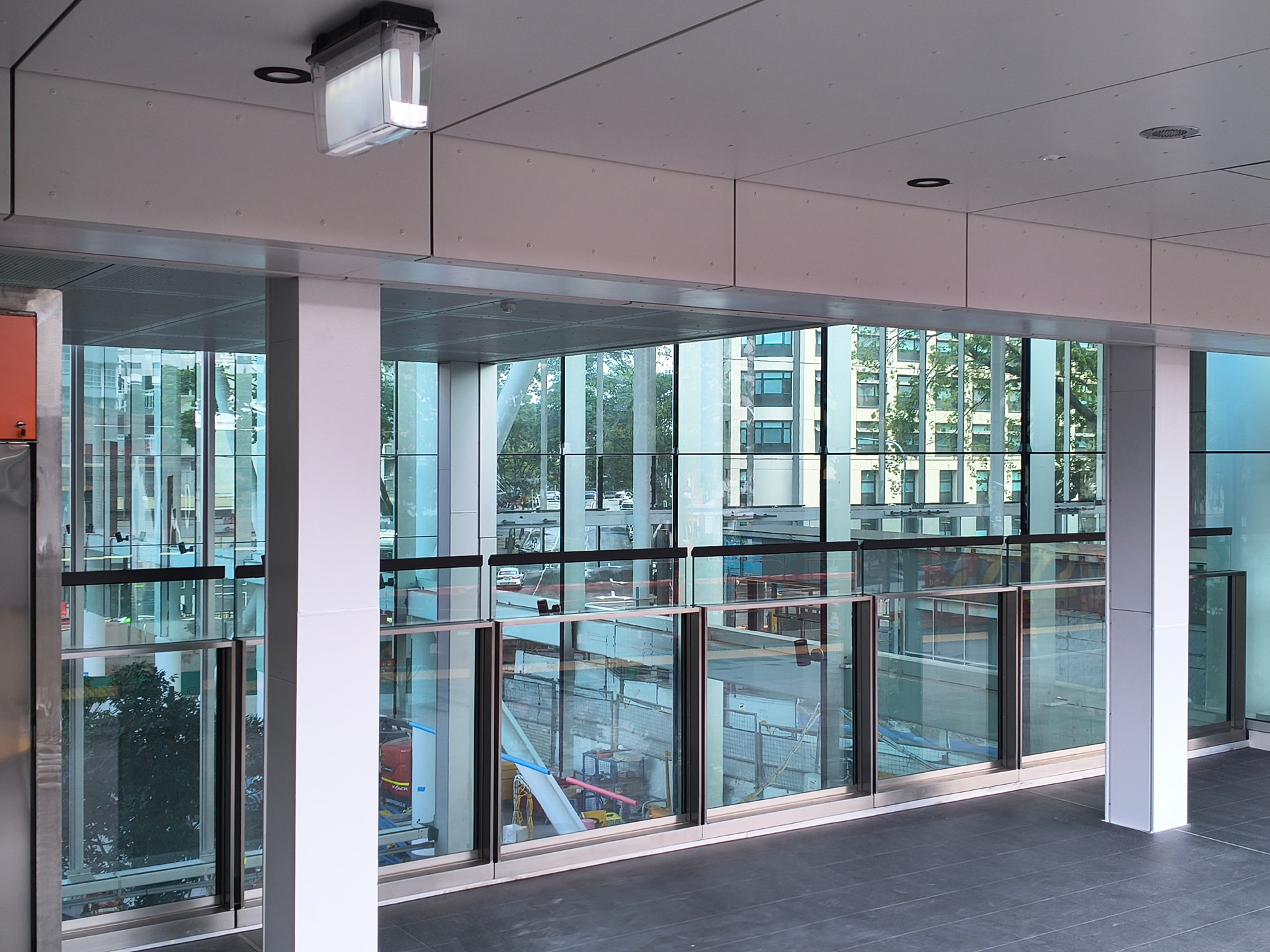
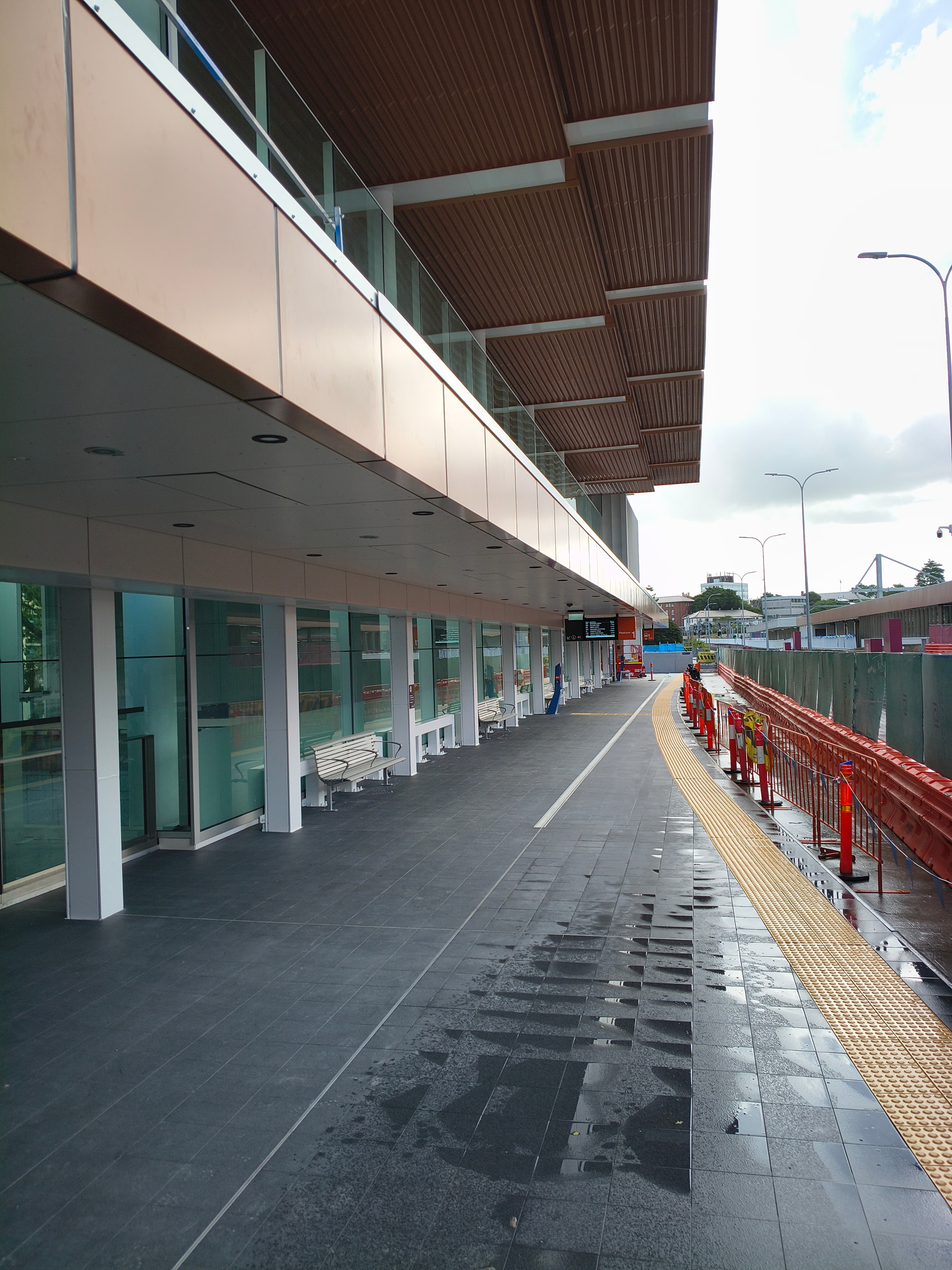
12 Likes
P1 is looking great. Do we know if the current P1 will be closed and refit to match the CRR aesthetic once the new P1 opens? The difference is quite jarring atm.
Also any idea if the train platforms will be renovated to match as well? They’re pretty overdue for a spruce up anyhow.
4 Likes
The other platform looks temporary, especially the surrounding structure. It will need quite a bit of work I reckon.
Although looking nice, the rebuilt platform looks quite similar as the one they demolished along with the former transit centre.
In regards to the PIDs, I don’t know why they cant add colour for Metro and Glider services.
2 Likes
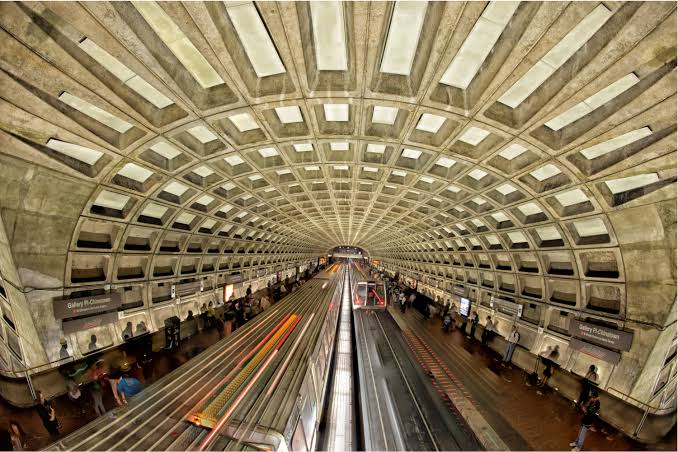
That seems like something structurally necessary that has then also achieved an aesthetic outcome.
The CRR stations seem to include huge structures that aren’t necessary simply for the aesthetic outcome.
Are there structural reasons why the Roma St station structure rises from the ground so high and surrounded by glass? Or for the Albert st awning to be so large and bulky? Or for Boggo Road to such a large…shed?
2 Likes
Platform 1 busway station at roma street is looking complete. PIDs are working.
The only thing ive noticed is that lack of shelter from the sun in the afternoon. Which being qld i believe is a major desigb flaw.
Is the current part of the busway going to remain? I beleive there should be a section dedicated to terminating services as the M1s current take a significant amount of tine to clear the platform
Agreed.
I would much rather see entirely underground stations at Boggo Road, Woolloongabba, Albert Street, and Roma Street, with the air rights above sold off to offset the cost of the project and provide much needed housing.
The scale of Roma Street is completely off and will be an air conditioning nightmare.
2 Likes
So called cost recovery exercises such as selling land on or near major projects does not achieve any significant returns to said transport project, and nor should the government be attempting this as these services are funded annually by the government regardless if they run at a loss or not.
You spend $6 billion on rail, how does selling land on or above it worth say ~$20 million considered financially sound and how is that “cost recovery”? Once it is sold you make exactly $0 from whatever is built there.
What does retaining it as empty air achieve? Is $20m not better than $0?
Is that not the model employed by Hong Kong’s MTR among other successful rapid transit systems?
1 Like
Obviously it’s far from the best example, but the fact that the air rights to Central were sold and developed into a hotel is a major fact in why that station (to me at least) is so dingy and overall unpleasant, and seems to also be a major factor in why it’s so hard to fix.
2 Likes
Similarly Toowong P3&4 is basically unfixable with the shopping centre there. I think QR has adopted a basically-no-over-station development approach.
5 Likes